.png)
Eco-Industrial Parks Revolutionizing Circular Economy and Waste Valorization for Profitable Sustainability
- May 8
- 4 min read
Sustainability often gets framed as a cost or burden for businesses. Yet, eco-industrial parks (EIPs) are proving that sustainability can be profitable. By redesigning industrial zones to share resources, reuse waste, and support local communities, EIPs turn environmental responsibility into economic opportunity. This post explores how EIPs advance the circular economy, enable waste valorization, and create social benefits through shared utilities and collaborative infrastructure.
Understanding Eco-Industrial Parks and Circular Economy
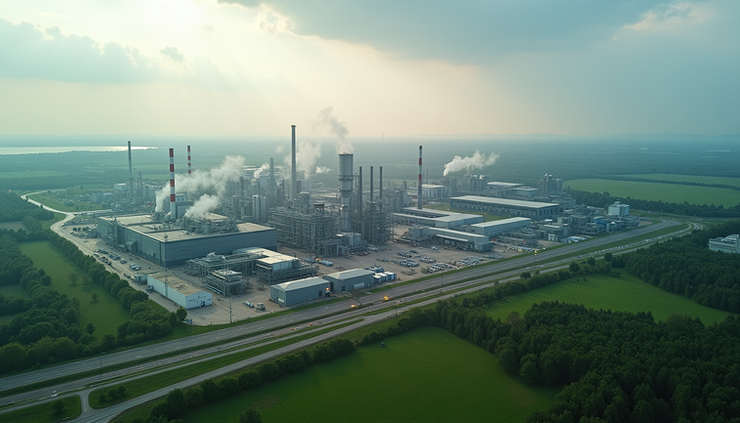
Eco-industrial parks are clusters of businesses designed to work together to reduce waste and resource use. Unlike traditional industrial zones where each company operates independently, EIPs encourage collaboration. This collaboration supports a circular economy model, where materials and energy flow in loops rather than ending up as waste.
In a circular economy, products and materials are kept in use for as long as possible. When one company finishes using a resource, another company takes it as input. This approach reduces the need for raw materials and minimizes environmental impact. EIPs provide the physical and organizational framework to make this happen efficiently.
For example, a food processing plant might generate organic waste that a nearby biogas facility converts into energy. The energy then powers the park’s operations, reducing reliance on fossil fuels. This cycle lowers costs and emissions for everyone involved.
Waste Valorization in Eco-Industrial Parks
Waste valorization means turning waste into valuable products or energy. EIPs excel at this by creating systems where waste streams become resources. Instead of paying to dispose of waste, companies can sell or share it within the park.
Common waste valorization methods in EIPs include:
Material recycling: Metals, plastics, and glass are collected and processed for reuse.
Energy recovery: Organic waste is converted into biogas or biofuels.
Water reuse: Wastewater is treated and reused for industrial processes or irrigation.
Byproduct exchange: Chemical or heat byproducts from one process serve as inputs for another.
One example is the Kalundborg Eco-Industrial Park in Denmark, which has operated since the 1970s. It features a network of companies exchanging steam, water, and waste materials. This system saves millions of dollars annually and reduces carbon emissions by thousands of tons.
By adopting waste valorization, EIPs reduce landfill use and pollution. They also create new revenue streams and improve resource efficiency, making sustainability a source of profit rather than cost.

Shared Utilities and Infrastructure Benefits
Shared utilities are a key feature of eco-industrial parks. Instead of each company building its own infrastructure, the park provides common services such as:
Energy generation and distribution
Water treatment and recycling
Waste collection and processing
Transportation and logistics
Sharing these utilities reduces capital and operating costs for individual companies. It also improves efficiency by optimizing resource use across the park.
For example, a centralized water treatment facility can serve multiple factories, ensuring consistent quality and reducing water consumption. Shared energy systems, such as combined heat and power plants, provide reliable and cleaner power at lower costs.
This collaborative approach also supports innovation. Companies can experiment with new technologies and processes in a supportive environment, accelerating the transition to sustainable industrial practices.
Social Impact and Community Transformation
Eco-industrial parks do more than improve environmental and economic outcomes. They also transform local communities by creating jobs, improving health, and fostering social cohesion.
Before EIPs, many industrial areas suffered from pollution, poor working conditions, and economic decline. After transformation, these parks often become hubs of green jobs and innovation. Workers gain skills in sustainable technologies, and local residents benefit from cleaner air and water.
Visual comparisons of industrial zones before and after EIP development show striking improvements:
Reduced visible pollution and waste accumulation
Increased green spaces and biodiversity
Modernized facilities with better safety standards
Enhanced community amenities and infrastructure
These changes improve quality of life and build support for sustainable development. They also align with Environmental, Social, and Governance (ESG) goals that investors and regulators increasingly prioritize.

Practical Steps to Develop Eco-Industrial Parks
Developing an eco-industrial park requires careful planning and collaboration among stakeholders. Key steps include:
Mapping resource flows: Identify waste streams, energy needs, and water use across potential park members.
Engaging stakeholders: Involve companies, local government, and community groups early to align goals.
Designing shared infrastructure: Plan utilities and logistics to maximize resource sharing and minimize costs.
Implementing circular processes: Establish agreements for waste exchange, recycling, and energy recovery.
Monitoring and adapting: Track environmental and economic performance and adjust operations as needed.
Governments can support EIPs through policies, incentives, and technical assistance. Private companies benefit from reduced costs and new business opportunities. Communities gain from job creation and environmental improvements.
Moving Sustainability from Cost to Profit
Eco-industrial parks demonstrate that sustainability is not just a cost center but a source of value. By embracing circular economy principles, waste valorization, and shared utilities, EIPs reduce resource use and emissions while boosting profitability.
For companies and communities looking to build a sustainable future, eco-industrial parks offer a proven model. They show that environmental responsibility and economic success can go hand in hand.


Comments